
🎧 Listen to this article (4 min)
We are often encouraged to pursue excellence. Work harder, optimise more, buy the better version, keep improving. There is truth in that. Improvement matters.
But there is also a hidden cost. Not every improvement is worth the cost of achieving it.
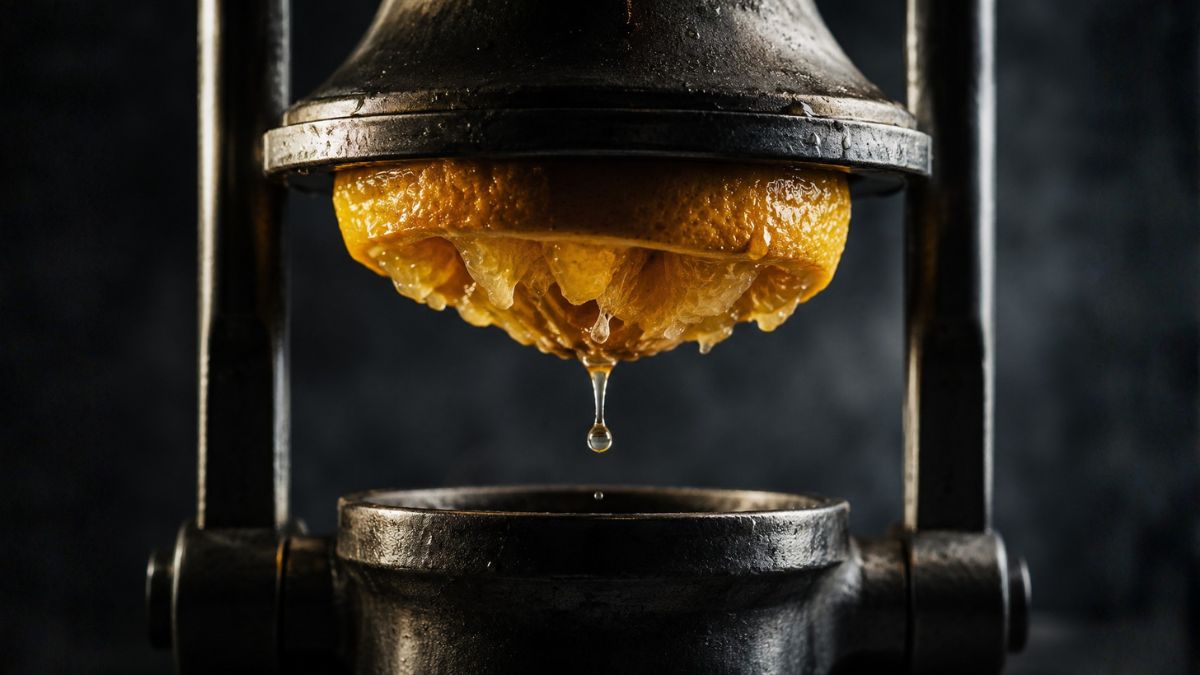
One of the most useful questions I have learned to ask is this: Is the juice worth the squeeze?
In other words, is the extra value worth the extra effort, cost, time, or complexity?
Once you start looking, the question is everywhere. It applies to products, business decisions, health, technology, travel, and personal development. At its heart, it is a question about value and judgement.
Diminishing Returns: When to Stop
Most improvements follow the same pattern. The first ones create large gains. The next still helps, but less. Eventually, each additional improvement takes more effort and returns less. Economists call this diminishing returns.
I run into this every time I build something. I could spend a week making a page perfect, or publish it today and fix whatever readers actually flag. The week almost never pays for itself. A page that is clear, fast, and live beats a perfect page that never ships.
The same logic sits behind most upgrade decisions. We pay a lot more for small gains in performance, comfort, or prestige. Sometimes that is worth it. A professional video editor might save enough time to justify the cost of a better machine. For someone who mainly browses, writes, and sends email, the difference is barely there. The question is never whether the premium version is better. It is whether the improvement is worth what it costs.
Diminishing returns tells you when to stop.
It is the signal that you have moved from improving to polishing.
Pareto: Where to Start
If diminishing returns tells you when to stop, the Pareto Principle tells you where to begin.
The 80/20 rule suggests that a small number of inputs produce most of the results. A few clients generate most of the revenue. A handful of habits drive most of the health gains. A small set of features carries most of a product’s value.
The lesson is not that 80 percent is always good enough. It is that effort is not evenly valuable. Most people get this backwards. They chase the final few percent before they have secured the fundamentals.
Start where the value is concentrated. Stop when it thins out.
Judgement Matters More Than Optimisation
The hard part is telling a critical requirement apart from a marginal one.
Some things demand a high standard because failure is expensive. Others only need to be good enough to do their job. A pilot’s pre-flight checklist has to be right. The choice of coffee served on the flight matters far less. A fitness plan someone actually follows beats the ideal plan they quit after two weeks. A useful tool available today beats a flawless one stuck in development.
This is where judgement earns its keep. This isn’t about settling for less. It’s about knowing where more effort stops paying.
A Better Question
So when I face a decision, I ask the simple version: is the juice worth the squeeze?
It pulls me toward value instead of perfection. It reminds me to watch for diminishing returns and to find the few things that matter before everything else distracts me.
Here is the part most advice leaves out. The common mistake is not settling too early. It is squeezing too long. We keep pushing for better well past the point where better stops mattering.
So keep pushing when failure is expensive. Stop when you are polishing something nobody will notice.
Most of us get this the wrong way round. We keep squeezing long after the juice has run dry.