
🎧 Listen to this article (4:27)
AI makes it easy to start producing.
Give it a prompt and within seconds you can have a website, an illustration, a piece of code or a page of copy. If you don’t like the result, you can generate another.
Production has become so cheap and fast that the temptation is to start making things before we have properly decided what we are trying to make.
I think that’s backwards. The faster execution becomes, the more valuable it is to think before executing.
Production is no longer the bottleneck
For much of my career as a designer, producing something took time. A website had to be designed and built. An image had to be created. Copy had to be written, edited and formatted. Because production was expensive, you naturally thought about what you were going to make before investing the effort.
AI changes that relationship. Production can now happen almost immediately. That sounds like pure gain, but the cost of production was also what made us think first.
If generating another version costs almost nothing, it’s easy to keep going without questioning the direction. You may simply end up with more versions of the wrong thing.
Speed is useful once you know which direction you want to travel. Before that, it can just help you get lost faster.
Think like a film director
A useful way to think about working with AI is to imagine directing a film.
A director doesn’t arrive on set, tell everyone to start shooting and then discuss what the film should be about afterwards. There is thinking before production begins: the story, characters, locations, mood, shots and what each scene is supposed to achieve.
I increasingly work with AI in the same way. Before asking it to build something, I want to discuss the problem. What are we trying to achieve? Who is it for? What matters? What can we remove?
Even something as ordinary as choosing an image format requires judgement. An AI might hand me a PNG when an SVG is the right answer, or a JPG when it isn’t. The choice depends on how the image will be used, its size and its quality.
AI cannot read my mind. I have to understand what I need, and sometimes I don’t know until I’ve thought it through with the AI.
Making is also thinking
The obvious objection: sometimes you need to make something before you can know what you want. Designers sketch. Filmmakers use storyboards. We create wireframes, mock-ups and prototypes because seeing an idea can reveal problems that discussion alone cannot.
A mock-up can be part of the conversation. You look at it, react to it, question it and change direction. The mistake is expecting a one-shot prompt to leap over that process. You are asking for a finished product before you have done the thinking required to know what it should be.
When the result disappoints, you can spend hours tinkering with it without fixing the real problem.
The execution may not be wrong. The foundations were never properly built.
Sometimes the right output is nothing
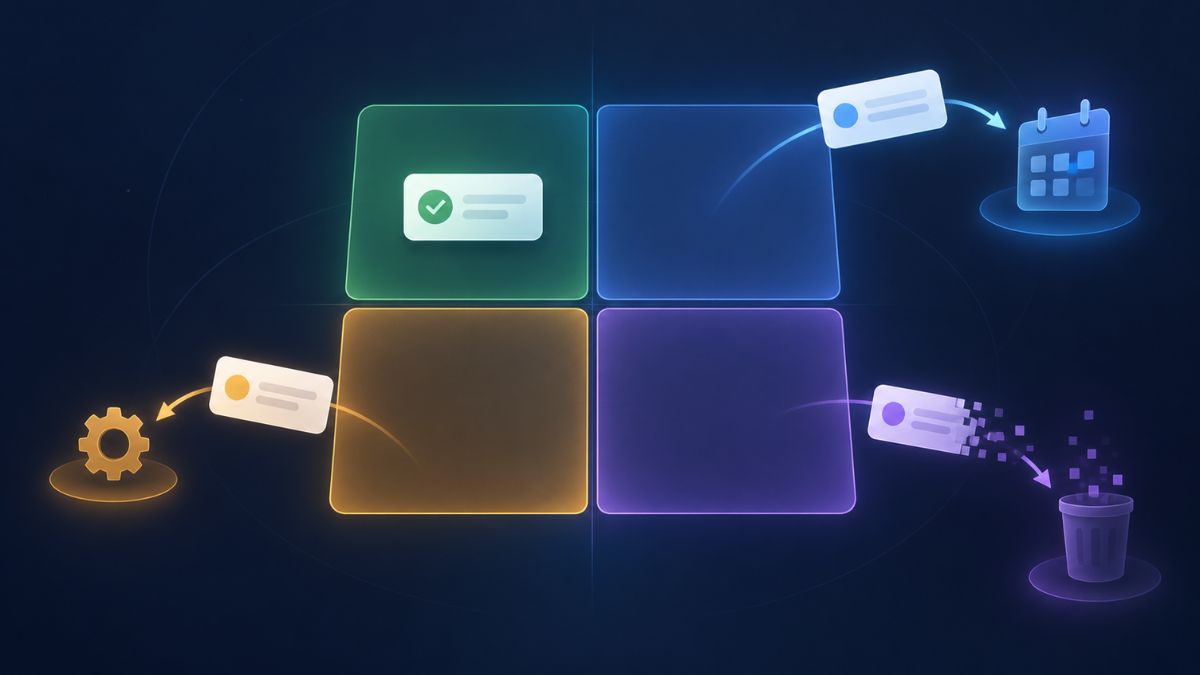
Thinking first sometimes shows you that the answer is to build nothing. A recent example: I was considering alternatives to email newsletters for telling readers when I publish a new blog post. RSS seemed like a possible solution, and technically I could have started building something around it.
Instead, I discussed the problem first. The more I thought about it, the clearer it became that I risked creating another tool to solve a problem that didn’t need solving. Readers can already visit the blog whenever they choose, so I parked the idea.
Nothing was built. I consider that a successful outcome.
The ability to produce something cheaply doesn’t mean producing it has value.
Match the thinking to the stakes
This doesn’t mean turning every decision into a committee meeting. Some decisions are cheap and reversible, so make them quickly. When the consequences are greater, spend more time establishing the foundations before you build on them.
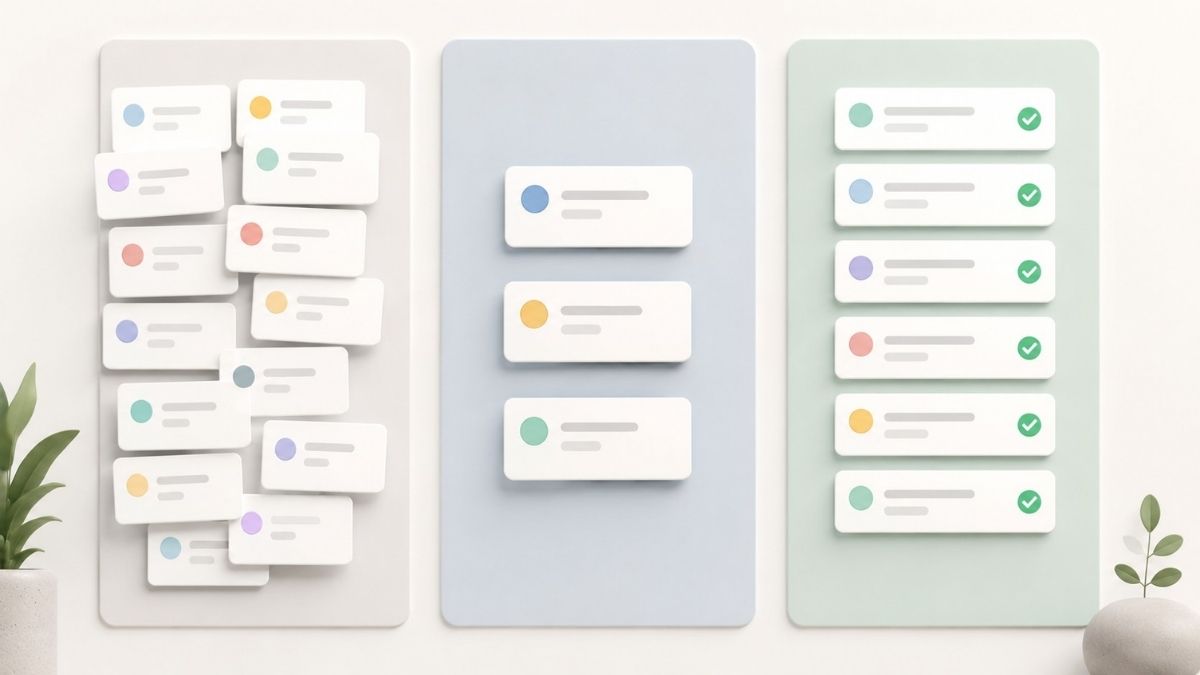
As execution gets cheaper, more of our value moves towards judgement. We can spend more time exploring the problem while spending much less time producing the eventual solution.
The total process can still be faster because we’re putting the time somewhere more useful.
I don’t want AI merely waiting for instructions like a production machine. I want to think with it first and then use its speed once the direction is clear.
Discuss the problem. Challenge the assumptions. Test the direction. Then produce.
Think slow. Execute fast.